Quality management as a daily habit, not an annual audit
Quality is built into everyday work through clear standards, quick feedback and honest learning from mistakes. Here is how to make it part of how the team operates.
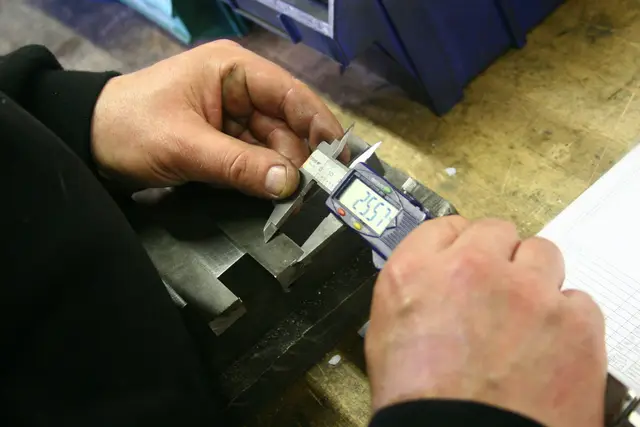
Quality is often treated as something that is checked at the end: an inspection before shipment, a review before release, an audit before a visit. Those checks have a role, but they find problems after the cost has been incurred. Organizations with strong quality tend to prevent defects by paying attention to the work as it happens.
Define what good looks like
People cannot meet a standard that is unclear. For each key product or service, describe in plain terms what the customer expects and what acceptable work looks like. Use examples and photographs where possible. Make the standard easy to find at the point of work, whether that is a workstation, a screen or a handbook that people actually open.
Build quality into the process
Look for places where mistakes are likely and design them out. Checklists, clear templates, mistake-proof forms and simple controls at the right moment all help. Shift checks earlier: verifying inputs before work begins is cheaper than correcting outputs. Where possible, let the person doing the work verify their own result before it moves on.
Measure what the customer would notice. Internal figures such as rework or scrap show how well the process runs, but customer measures show whether it delivers. Track returns, complaints, late deliveries or service errors and look at them alongside internal data. When the two agree, you can trust the picture. When they diverge, there is something worth investigating, such as a defect that internal checks cannot detect.
Make problems visible
- Capture defects, complaints and near misses in one place with enough detail to learn from them.
- Look for patterns, not just individual incidents: the same step, product, supplier or shift.
- Find root causes by asking why repeatedly until you reach something you can change.
- Assign corrective actions with owners and dates, and check later that they worked.
- Share lessons across teams, so that a fix in one place benefits others.
Create a culture where reporting is safe
If people fear blame, problems stay hidden until they become serious. Treat mistakes as information about the system. Thank people who raise concerns, and respond visibly. Leaders set the tone by asking what happened and how to prevent it, rather than who to blame. When corrective action involves personal conduct, handle it fairly and privately.
Involve suppliers and customers, and keep documents useful
Quality does not stop at your walls. Share requirements with suppliers, review incoming problems with them and recognize improvements. Listen to customer feedback and complaints as carefully as to internal measures, since they show what truly matters.
Records and procedures support consistency and prove that you follow your own rules. They should be as simple as the work allows, kept current and written for the people who use them. If a procedure is routinely ignored, find out why before blaming the staff.
Quality grows from small, repeated actions: clear standards, quick feedback and a willingness to fix what is found. Make these ordinary, and audits become a confirmation rather than a scramble.