Protecting employee data in your HR systems
HR holds some of the most sensitive information in any company. Here are the habits that keep it safe: knowing what you hold, limiting access and planning for mistakes.
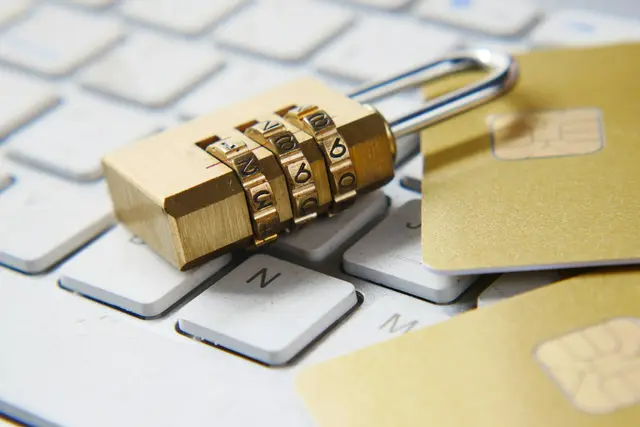
HR teams look after identity documents, bank details, health information, performance notes and family circumstances. A leak harms real people and quickly damages trust in the company. Privacy in HR is not only a legal matter. It is part of how an organization shows respect for the people who work there.
Know what you hold and why
Start with an inventory. List the categories of personal data you collect about candidates and employees, where each is stored, who can reach it and the purpose it serves. You will often find old exports on shared drives, spreadsheets sent by email and copies kept long after they were needed. Collect only what you need, and be able to explain the reason for each item.
Limit access to those who need it
Most people in HR do not need to see everything. Give access by role, and review it when people change jobs or leave. Sensitive categories such as medical records, disciplinary files and investigations deserve tighter controls than general contact details. Make sure that managers see only the information that helps them manage their team, and nothing more.
Everyday safeguards
- Use strong sign-in, including a second factor, for every system that holds employee data.
- Keep a record of access and changes, and look at the log from time to time.
- Avoid email for sensitive files. Share through controlled systems, with links that expire.
- Encrypt devices and data in storage and transfer.
- Be careful with exports, test data and reports, which often escape the controls placed on the main system.
- Train people to recognize phishing aimed at payroll and HR, such as fake requests to change bank details.
Each HR tool is a place your data lives. Before choosing a supplier, ask where data is stored, who can access it, how it is protected and what happens when the contract ends. Put expectations in writing, and make sure you know how to get your data back or have it deleted.
Do not forget the data that employees create or share informally. Messaging channels, shared folders and personal notes kept by managers can all contain sensitive details. Give managers simple guidance on what to record and where, and what to leave out. A short, clear rule such as keeping health information out of general chat channels prevents many accidents and is far easier to remember than a long policy.
Keep data only as long as necessary
Define how long different records are kept, taking into account the legal requirements in the places where you operate. Then make deletion routine rather than a clean-up project. Old data is a liability that grows quietly.
Be ready for things to go wrong
Agree in advance who decides what to do if employee data is exposed, who tells the affected people and who speaks to authorities if required. Rehearse it once. Calm, quick action is far easier when the roles are already clear. Ask your legal adviser or data protection officer to confirm the rules that apply to you.
Good privacy practice is mostly ordinary discipline, repeated: collect less, share less, keep it for less time, and know where everything is.